
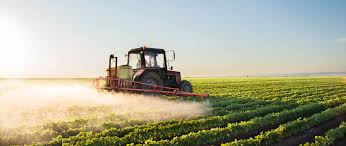
Our Specialized Agricultural Training Programs
We offer hands-on training designed to empower farmers, agripreneurs, and agribusiness professionals with modern, practical skills across crop production, livestock, aquaculture, and processing. Each program focuses on sustainable practices, value addition, and profitability — from grassroots to commercial scale.
Objective:
Equip participants with practical and modern agronomic skills to move from subsistence to commercial-scale crop farming.
Modules:
- Introduction to modern agriculture and agribusiness.
- Land preparation and soil fertility management.
- Irrigation systems (drip, sprinkler, and solar-powered).
- Use of improved seeds and mechanized planting.
- Integrated pest, disease, and weed management.
- Post-harvest handling, storage, and packaging.
- Value chain and market linkage development.
Major Crops:
Rice, Maize, Cassava, Vegetables, Sorghum, Oil Palm, and Millet.
Outcome: Graduates can manage profitable, climate-smart farms from grassroots to commercial level.
Objective:
Develop participants into skilled poultry agripreneurs with capacity for hatchery and processing operations.
Modules:
- Poultry house design and environmental control.
- Broiler and layer management.
- Feed formulation and nutrition.
- Hatchery management and chick production.
- Vaccination and biosecurity practices.
- Slaughtering, processing, and packaging.
- Poultry business planning and marketing.
Outcome:
Participants establish profitable poultry enterprises integrated into modern supply chains.
Objective:
Build capacity in sustainable fish farming, processing, and export readiness.
Modules:
- Pond and tank construction.
- Water management and aeration systems.
- Catfish and tilapia breeding and rearing.
- Feed formulation and daily management.
- Harvesting, smoking, and packaging technologies.
- Cold chain logistics and export compliance.
Outcome:
Participants operate commercial aquaculture farms with capacity for domestic and export markets.
Objective:
Promote improved livestock production systems and sustainable animal management.
Modules:
- Livestock classification and breeding.
- Feedlot and dairy systems management.
- Veterinary health and disease control.
- Genetic improvement and reproduction.
- Housing, welfare, and environmental management.
- Livestock marketing and record keeping.
Outcome:
Participants can manage mixed herds for meat, milk, and breeding purposes effectively.
Objective:
Empower smallholder farmers with modern goat production and processing techniques.
Modules:
- Selection of breeds and breeding management.
- Housing and feeding systems.
- Disease control and vaccination.
- Breeding for meat and milk production.
- Slaughtering, processing, and packaging.
- Market linkage and cooperative development.
Outcome:
Participants build sustainable goat farms serving both local and export markets.
Objective:
Train participants in hygienic meat processing and abattoir management practices.
Modules:
- Slaughterhouse design and workflow.
- Food safety and sanitation standards.
- Carcass handling and grading.
- Meat preservation, packaging, and labeling.
- Cold-chain logistics and transportation.
- By-product processing (skins, hides, bone meal).
- Export certification and compliance (HACCP, ISO).
Outcome:
Graduates manage or establish certified meat processing and distribution facilities.
Objective:
Develop skills in commercial ram production for meat and breeding markets.
Modules:
- Breed selection and breeding management.
- Nutrition and pasture development.
- Housing and welfare systems.
- Disease prevention and control.
- Marketing and seasonal sales (e.g., festive demand).
Outcome:
Participants operate profitable ram farming enterprises suited to market demand.
Objective:
Build capacity in intensive and semi-intensive pig production systems.
Modules:
- Breeding, farrowing, and weaning management.
- Feed formulation and waste management.
- Biosecurity and disease prevention.
- Processing and cold-chain systems.
- Market access and export readiness.
Outcome:
Graduates can produce, process, and market pork sustainably for local and export markets.
Objective:
Transform traditional cattle farming into organized, tech-enabled ranching and dairy production.
Modules:
- Ranch design and land utilization.
- Rotational grazing systems and fodder management.
- Feed formulation and herd nutrition.
- Dairy collection, processing, and storage.
- Digital ranch monitoring (RFID, GPS, smart fencing).
- Business management and record keeping.
Outcome:
Participants establish modern ranches with both beef and dairy production capacities